

Safety is the cornerstone of private aviation, and when you choose to rent a private plane or book a private jet charter, rigorous standards are working behind the scenes to protect every journey. A charter flight is more than just a luxury travel option; it also operates within frameworks designed to maximise safety, reliability and peace of mind for every passenger. At BookMyCharters, ensuring high safety standards is as important as delivering seamless travel experiences.
Strict Regulatory Compliance
Every private jet operating commercially must comply with national and international aviation regulations, including those set by the Directorate General of Civil Aviation (DGCA) in India. Operators are required to perform regular maintenance in accordance with these regulatory guidelines before being cleared for flights. At BookMyCharters, we ensure that our partner operators strictly adhere to these standards, which includes meticulous documentation checks and compliance with aviation norms.
Rigorous compliance involves more than paperwork. It guarantees that the aircraft, crew and operational procedures meet or exceed industry expectations, providing a safe foundation for every chartered journey.
Robust Quality and Maintenance Protocols
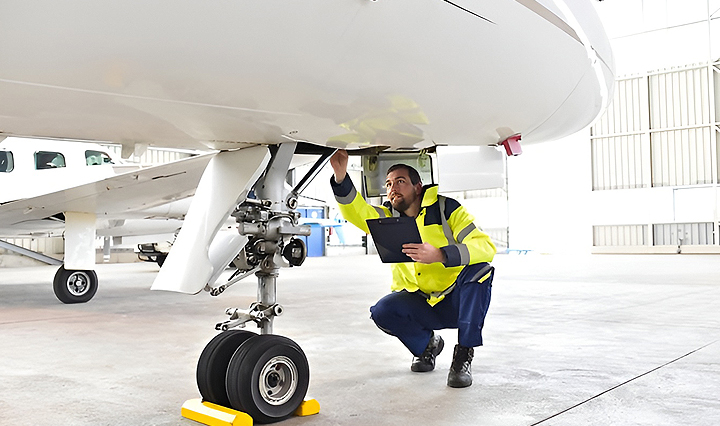
Maintenance is one of the most critical elements of private aviation safety. Private jets undergo regular, scheduled inspections and servicing long before issues arise. These include daily pre-flight checks, thorough reviews at specific flight-hour intervals and comprehensive annual examinations by certified technicians.
Highly trained maintenance teams follow detailed protocols to ensure that every component—from engines to avionics systems—is in optimal condition. Documentation of each maintenance activity is reviewed and verified, and any irregularity, no matter how minor, is addressed before the aircraft is cleared for flight.
Experienced and Qualified Flight Crew
A well-maintained aircraft is necessary but not sufficient on its own. The pilots and crew who operate private jets must meet stringent qualification and training standards. Reputable private aviation operators require flight crews to hold commercial pilot licenses, log significant flight hours and undergo regular simulator training, emergency drills and certification renewals.
These ongoing training programs ensure that pilots are well-prepared to handle various scenarios, from unexpected weather changes to technical responses. The result is greater operational competence and smoother flights under all conditions.
Controlled Environments and Security Protocols
Private aviation enhances safety by minimising exposure to crowded terminals and congested public areas. Many private jet passengers travel through dedicated fixed-base operators (FBOs) or private terminals, where boarding procedures are streamlined and controlled. These environments not only improve comfort but also reduce the risk associated with large passenger volumes.
By limiting access to verified passengers and crew and enforcing secure boarding procedures, private aviation adds another layer of safety that complements aircraft maintenance and crew training.
Advanced Flight Planning and Weather Monitoring
Safety in private aviation begins long before the aircraft leaves the ground. Detailed flight planning includes evaluating weather conditions, fuel requirements and alternate routing options. Operators continuously monitor forecasts, airspace conditions and navigational advisories to make informed decisions that prioritise passenger safety over scheduling convenience.
This proactive approach helps avoid adverse weather and other risks, ensuring that each charter flight proceeds under the safest possible conditions.
Backup Systems and Onboard Preparedness
Private jets are equipped with advanced avionics and safety systems designed to support the flight crew in all phases of the journey. Terrain awareness systems, collision avoidance technologies and real-time communication tools enhance situational awareness, while onboard emergency equipment and crew training for unexpected events ensure preparedness.
These technological safeguards are complemented by routine inspections and updates, ensuring every element of the aircraft’s systems remains reliable.
Conclusion
High safety standards are not accidental in private aviation. They are the result of stringent regulatory compliance, meticulous maintenance, continuous crew training and controlled operational environments. When you choose to rent a private plane or take a charter flight, you’re placing your trust in a system built on excellence and precision. With its commitment to ensuring safe travel, from aircraft checks to crew qualifications, BookMyCharters delivers private aviation experiences that prioritise your security and comfort at every step of the journey.