

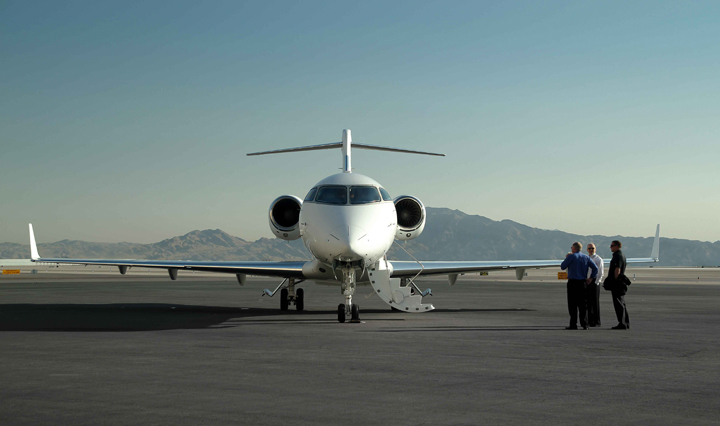
For many, private jet ownership is the ultimate symbol of success. But beyond the purchase price lies a long list of recurring expenses that can significantly increase private jet costs.
The cost of a private jet involves several aspects, from maintenance and crew salaries to hangar fees and insurance. Consequently, the eventual cost extends far beyond the initial investment. Unless you’re flying frequently enough to justify these ongoing commitments, ownership may not always be the most practical choice.
So, what does it really cost to own a private jet—and when does private jet charter make more sense?
Let’s take a closer look.
What Is the Cost of a Private Jet?
The cost of a private jet depends on several factors. Some of these include the aircraft category, range, age, manufacturer, and level of cabin customization. In India, a new light jet typically starts at around ₹25–40 crores. On the other hand, a midsize business jet can cost anywhere between ₹45 crores and ₹120 crores. Ultra-long-range and heavy-cabin aircraft often command prices of ₹150 crores to well over ₹500 crores.
However, the purchase price is only the beginning. Buyers must also budget for pre-purchase inspections, legal and regulatory due diligence, aircraft registration, ferry flights, etc. In many cases, cabin refurbishment or personalization are also essential aspects of the overall expenditure. Collectively, these additional expenses can add several lakhs—or even crores—to the aggregate cost of owning a private jet. The owner typically incurs these costs before the aircraft has even completed its first flight under their ownership.
What Ongoing Costs Come with Private Jet Ownership?
Aircraft Maintenance Never Stops
A private jet’s maintenance costs include flight hours and calendar time. This means that even if the aircraft remains grounded for weeks, certain inspections and maintenance checks are still essential.
For a midsize business jet, annual maintenance expenses can range between $500,000 and $7,00,000 annually. This amount depends on the aircraft’s age, utilization, and engine maintenance program. Major engine overhauls are among the largest expenses, with overhaul costs for a single engine often running into several million dollars, depending on the engine model and manufacturer.
Many owners also enroll in engine and airframe maintenance programs offered by manufacturers, which require regular contributions to cover future repairs and overhauls. These programs help manage long-term maintenance costs but add another recurring expense to aircraft ownership.
In short, maintenance isn’t an occasional bill—it’s a continuous financial commitment that begins the day the aircraft enters your fleet and continues throughout its operational life.
Crew Salaries and Training
A private aircraft requires experienced professionals to operate safely.
Depending on the aircraft, owners may need:
- Pilots
- Co-pilots
- Cabin crew
- Flight dispatch support
The salary for a pilot-in-command ranges from ₹1.2 crores to ₹1.8 crores per year, while co-pilots typically earn between ₹35 lacs and ₹55 lacs annually. Cabin crew salaries, which range from ₹8 lacs to ₹12 lacs per year, also need to be accounted for.
In addition to salaries, operators must budget for recurrent simulator training — which costs approximately 95 lacs, depending on the aircraft that the pilot specializes in. Certifications, travel, accommodation, and medical examinations to keep crew members current are also additional expenses.
Hangar and Parking Charges
The cost of hangar space varies considerably depending on the airport, aircraft size, and availability of dedicated business aviation infrastructure. At major Indian airports, where hangar space is often limited, annual hangar rental can run into tens of lakhs of rupees, while purpose-built maintenance hangars command substantially higher lease values. For example, a 4,670-square-metre aircraft hangar at Bhubaneswar Airport is leased by the Airports Authority of India (AAI) at approximately ₹1 lakh per day, equivalent to nearly ₹3.65 crore annually, illustrating the premium associated with aviation infrastructure at busy airports.
When hangar space is unavailable, aircraft are parked on the airport apron, where parking charges continue to accrue. Airport parking tariffs are typically linked to the aircraft’s Maximum Take-Off Weight (MTOW) and the duration of parking. As an illustration, Bengaluru’s airport tariff schedule specifies parking charges of ₹18 per metric tonne per hour for the first four hours, increasing to ₹29 per metric tonne per hour thereafter for aircraft up to 100 tonnes, after which longer-term housing charges may apply.
Although these charges may appear modest on a per-hour basis, they accumulate quickly when an aircraft remains parked for extended periods, adding another recurring expense to the overall cost of owning a private jet.
Insurance Premiums
Aircraft insurance is a major component of private jet ownership costs.
Policies typically include:
- Hull insurance
- Passenger liability
- Third-party liability
- Crew coverage
Insurance premiums can easily run into tens of lakhs of rupees annually for a business jet. Business Jet Traveler cites an annual hull premium of approximately US$13,000 for a US$10-million midsize jet, plus around US$8,500 for US$100 million of liability coverage. That translates to roughly ₹11 lacs and ₹7 lacs respectively at an illustrative exchange rate of ₹87 to the dollar. Actual premiums in India can differ substantially depending on aircraft value, pilot experience, operating region, usage and liability limits.
Fuel Costs
Fuel is one of the largest variable expenses of private aircraft ownership. Unlike fixed costs such as insurance and hangarage, fuel expenditure rises directly with utilization. For example, an aircraft consuming 300 liters of ATF per flight hour would use approximately 150,000 liters over 500 flight hours.
As fuel prices fluctuate, so does the overall private jet operating cost. As of the latest published table by the Petroleum Planning and Analysis Cell (Government of India), ATF is subject to 11% central excise, with the table also noting a 5% additional customs duty in the relevant import context.
Regulatory Compliance
Aircraft owners must comply with aviation regulations that require:
- Scheduled inspections
- Airworthiness directives
- Documentation updates
- Safety equipment replacements
- Certification renewals
Moreover, some aircraft operators are required to have a minimum Equipment List (MEL), which provides a list of equipment that can be legally inoperative. The total cost of processing and drafting an MEL goes can exceed Rs. 3,00,000, depending on the airliner, agency charges, and structural tailoring.
These aren’t optional expenses—they’re essential for keeping an aircraft legally airworthy.
Depreciation
Unlike many luxury purchases, aircraft are also depreciating assets.
Market demand, aircraft age, technological advancements, and maintenance history all influence resale value.
Even well-maintained aircraft may lose value over time, making depreciation an important part of the overall cost of owning a private jet. Aircraft-finance experts suggest that lenders historically assumed business aircraft would depreciate around 4–6% annually, while for newer aircraft (up to five years old) lenders have used assumptions of around 6–8% annually. For aircraft 10 years and older, the assumed annual depreciation can exceed 10%, although the actual rate depends heavily on the specific aircraft model, market demand, inventory and production life cycle.
What are the Costs of Importing a Private Jet into India?
One of the most significant—and often overlooked—contributors to the private jet cost in India is the tax payable when the aircraft is inducted into the country.
The applicable tax depends largely on how the aircraft will be operated.
Aircraft imported under a Non-Scheduled Operator Permit (NSOP) for commercial charter operations currently benefit from a concessional tax structure. Such aircraft are generally subject to 5% IGST, 2.5% Basic Customs Duty (BCD), and a 10% Social Welfare Surcharge calculated on the customs duty. The effective tax burden works out to approximately 7.75% of the aircraft’s assessable value.
The picture changes dramatically for aircraft imported exclusively for private use. These typically attract 28% IGST, along with Basic Customs Duty, Social Welfare Surcharge, and other applicable levies depending on the import structure. In many cases, the effective tax burden can exceed 30% of the aircraft’s value.
To put this into perspective, on a business jet worth ₹100 crores, the difference in taxation alone can amount to several tens of crores. It’s one of the key reasons why many aircraft in India are acquired through charter-operating entities rather than as purely private assets.
How Often Should You Fly to Justify Private Jet Ownership?
This is perhaps the most important question.
While there is no universal benchmark, aviation experts generally agree that private jet ownership becomes easier to justify only when an aircraft is flown extensively each year.
For many entrepreneurs, business leaders, family offices, and high-net-worth individuals, travel requirements fluctuate throughout the year. Some months involve multiple trips, while others may involve very little flying.
In these situations, paying for an aircraft that remains idle for extended periods may not always be the most efficient use of capital.
Is Private Jet Charter a Smarter Alternative to Private Jet Ownership?
For many travelers, private jet charter offers the same advantages of private aviation without the long-term ownership commitments.
With a charter, you can:
- Select the right aircraft for each trip.
- Pay only when you fly.
- Avoid maintenance responsibilities.
- Eliminate crew management.
- Skip hangar and storage costs.
- Access aircraft across multiple categories based on your travel needs.
Rather than adapting your travel plans to suit one aircraft, chartering allows you to choose the aircraft best suited for every journey—whether it’s a short domestic meeting or an international business trip.
Why More Frequent Flyers Are Choosing Flexibility
Today’s business leaders increasingly value flexibility over ownership.
Travel requirements change.
Passenger numbers vary.
Destinations differ.
Meeting schedules evolve.
Instead of maintaining a single aircraft year-round, many travelers prefer access to an extensive fleet that can accommodate different missions as needed.
This approach offers greater operational flexibility while removing many of the administrative responsibilities associated with ownership.
The Bottom Line
Owning a private jet undoubtedly offers exclusivity and complete control.
But the true private jet cost goes far beyond the purchase price.
Maintenance, crew salaries, hangar charges, insurance, fuel, compliance, depreciation, and ongoing operational management all contribute to the total cost of a private jet over its lifetime.
For many discerning travelers, private jet charter provides a more flexible, efficient, and hassle-free way to enjoy the benefits of private aviation—without the long-term responsibilities of ownership.
Ultimately, the right choice depends on how often you fly, where you travel, and how you prefer to allocate your time and capital.
Frequently Asked Questions (FAQs)
What is the average private jet cost?
The private jet cost depends on factors such as aircraft size, range, age, and manufacturer. In India, a new light jet typically starts at around ₹25–40 crores. On the other hand, a midsize business jet can cost anywhere between ₹45 crores and ₹120 crores. Ultra-long-range and heavy-cabin aircraft often command prices of ₹150 crores to well over ₹500 crores. However, beyond the purchase price, owners should also consider maintenance, crew, insurance, fuel, storage, and regulatory costs.
What are the hidden costs of owning a private jet?
The hidden cost of owning a private jet includes maintenance, hangar fees, insurance, pilot salaries, recurrent crew training, fuel, regulatory compliance, unexpected repairs, and depreciation.
Is it cheaper to charter or own a private jet?
The cost of private jet ownership is not restricted to the initial purchase, which single-handedly can amount up to 500 crores, depending on the type of aircraft. Ownership involves constant maintenance and upgrades and can seem like a never-ending transaction. From hangarage and parking charges to pilot training and salaries, fuel costs, insurance premiums and regulatory compliance, the list of expenses is quite comprehensive. In contrast, with private jet charters, the charter company takes care of all of these expenses, and you can travel in the lap of luxury without having to account for the aircraft maintenance and personalization. Moreover, you can select the specific type of aircraft to charter based on your travel requirements and budget. With aircraft ownership, the owners are restricted to flying the aircraft they own, regardless of specific requirements.
Why do many business leaders prefer private jet charter?
Private jet charter offers flexibility, access to different aircraft types, simplified travel planning, and freedom from maintenance, crew management, and storage responsibilities.
What affects the cost of a private jet?
The cost of a private jet is influenced by aircraft size, range, age, operating hours, and fuel consumption. Maintenance requirements, insurance premiums, and regulatory compliance are other long-term considerations.
Is owning a private jet a good investment?
A private jet is typically a lifestyle and business asset rather than a financial investment. Aircraft typically depreciate over time and require continuous operating expenditure regardless of utilization.
Can I choose different aircraft when I charter?
Yes. One of the biggest advantages of private jet charter services is the ability to select the most suitable aircraft for each journey based on passenger count, destination, range, baggage requirements, and travel preferences.
Can I charter a jet for an amount within one lakh rupees?
Yes, with the right approach, it is possible to experience the convenience and luxury of a private charter jet within a budget of one lakh rupees. One way to achieve this is by opting for an empty-leg private jet flight. These are flights that are scheduled to return to their base without passengers after completing an earlier trip. Since operators prefer to fill these otherwise empty flights, empty-leg charters are often available at significantly lower prices than regular private jet bookings. Additionally, sharing the flight with other passengers can further reduce the cost per person.